

Are body shaping machines suitable for people with disabilities? This is a question that has been on the minds of many, especially as the demand for body shaping machines continues to grow. As a supplier of body shaping machines, I have had the opportunity to interact with a diverse range of customers, including those with disabilities. In this blog post, I will explore the suitability of body shaping machines for people with disabilities, taking into account various factors such as the type of disability, the specific features of the machines, and the potential benefits and risks involved.
Understanding Different Types of Disabilities
Disabilities can vary widely in nature and severity, ranging from physical impairments such as mobility issues, limb loss, or spinal cord injuries to sensory disabilities like visual or hearing impairments. Each type of disability presents unique challenges and considerations when it comes to using body shaping machines.
For individuals with mobility issues, the physical design and accessibility of the machine are crucial. For example, a machine that requires the user to stand or move in a certain way may not be suitable for someone in a wheelchair. On the other hand, machines that can be used while sitting or lying down could be more appropriate.
People with sensory disabilities may face challenges in operating the machine. For instance, those with visual impairments may have difficulty reading the control panels or understanding the instructions. In such cases, machines with tactile controls or voice guidance systems could be more suitable.
Features of Body Shaping Machines
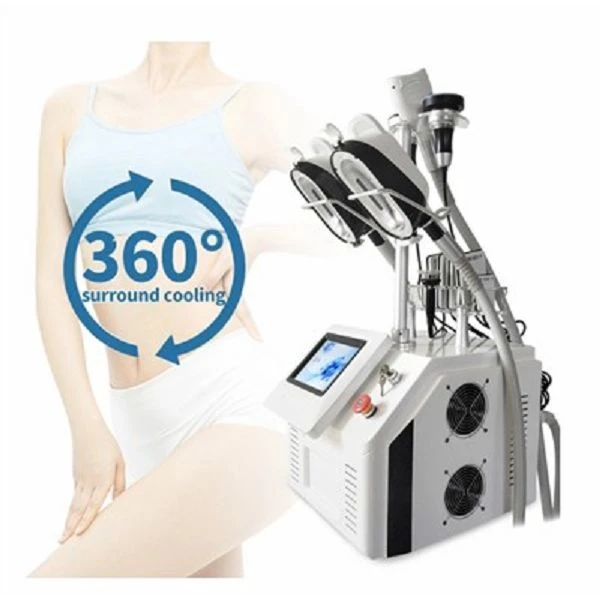
There are several types of body shaping machines available in the market, each with its own set of features and functions. Some of the common types include Cellulite Reduction Machine, Electric Cryotherapy Machine, and Fat Reduction Cryolipolysis Machine.
Cellulite reduction machines are designed to target and reduce the appearance of cellulite. They typically use techniques such as massage, suction, or radiofrequency to break down the fat deposits and improve blood circulation in the affected areas. These machines are generally non-invasive and can be used on various parts of the body, such as the thighs, buttocks, and abdomen.
Electric cryotherapy machines use cold temperatures to freeze and destroy fat cells. This process, known as cryolipolysis, is a non-surgical alternative to liposuction. The machine is applied to the targeted area, and the cold temperature causes the fat cells to crystallize and eventually die. Over time, the body naturally eliminates these dead fat cells, resulting in a reduction in body fat.
Fat reduction cryolipolysis machines work on a similar principle as electric cryotherapy machines but may have different features and settings. They are designed to be more precise in targeting specific areas of the body and can provide more customized treatment options.
Benefits of Body Shaping Machines for People with Disabilities
Despite the challenges, body shaping machines can offer several benefits to people with disabilities. For many individuals with disabilities, maintaining a healthy body weight and shape can be particularly challenging due to limited mobility or other physical restrictions. Body shaping machines can provide a non-invasive and convenient way to address these concerns.
One of the main benefits is the potential for improved body image and self-esteem. People with disabilities often face social stigma and discrimination, and having a positive body image can play a significant role in their overall well-being. By using body shaping machines to achieve a more desirable body shape, they may feel more confident and comfortable in their own skin.
In addition, body shaping machines can also have health benefits. For example, reducing excess body fat can help improve cardiovascular health, reduce the risk of diabetes, and alleviate joint pain. These benefits can be especially important for people with disabilities who may already be at a higher risk of developing certain health conditions.

Risks and Considerations
While body shaping machines can offer many benefits, it is important to consider the potential risks and limitations, especially for people with disabilities. One of the main concerns is the safety of the machine. People with disabilities may have a higher risk of injury due to their physical limitations or underlying health conditions. For example, those with limited mobility may be at a greater risk of falling or getting stuck in the machine.
Another consideration is the effectiveness of the treatment. The results of body shaping machines can vary depending on several factors, such as the type of machine, the individual's body composition, and their lifestyle habits. It is important to have realistic expectations and understand that body shaping machines are not a magic solution for weight loss or body transformation.
In addition, some body shaping machines may not be suitable for certain medical conditions. For example, people with diabetes, circulation problems, or skin conditions may need to avoid using machines that use heat or cold therapy. It is always recommended to consult with a healthcare professional before using any body shaping machine, especially if you have a pre-existing medical condition.
Ensuring Suitability and Safety
To ensure that body shaping machines are suitable and safe for people with disabilities, several steps can be taken. First, it is important to choose a machine that is designed with accessibility in mind. This may include features such as large buttons, clear instructions, and adjustable settings.
Second, proper training and support should be provided to the user. This may involve demonstrating how to operate the machine safely and effectively, as well as providing ongoing support and guidance. It is also important to ensure that the user understands the potential risks and limitations of the machine and knows what to do in case of an emergency.
Finally, regular maintenance and servicing of the machine are essential to ensure its safety and effectiveness. This may include checking the machine for any signs of wear and tear, replacing any faulty parts, and calibrating the machine as needed.
Conclusion
In conclusion, body shaping machines can be suitable for people with disabilities, but it is important to consider the individual's specific needs and circumstances. By choosing a machine that is designed with accessibility in mind, providing proper training and support, and ensuring regular maintenance and servicing, the potential benefits of body shaping machines can be maximized while minimizing the risks.
If you are interested in learning more about our body shaping machines or would like to discuss how they can be suitable for people with disabilities, please feel free to contact us. We are committed to providing high-quality products and excellent customer service, and we would be happy to assist you in finding the right solution for your needs.
References
- American Council on Exercise. (n.d.). The Truth About Body Shaping Machines. Retrieved from [Website URL]
- National Institute of Diabetes and Digestive and Kidney Diseases. (n.d.). Healthy Weight - Tips for Adults. Retrieved from [Website URL]
- World Health Organization. (n.d.). Obesity and Overweight. Retrieved from [Website URL]