

Can a 4D Hifu Machine be used for stretch mark reduction?
Hey there! I'm a supplier of 4D Hifu machines, and I often get asked if these nifty devices can help with stretch mark reduction. Well, let's dive right into it and find out.
First off, what the heck is a 4D Hifu machine? Hifu stands for High-Intensity Focused Ultrasound. The "4D" part usually means it has advanced features like better depth control, multi-layer targeting, and more precise energy delivery compared to older models. It's a non-invasive technology that's been making waves in the aesthetic industry.
Stretch marks are a common skin issue that many of us deal with. They happen when our skin stretches rapidly, like during pregnancy, weight gain or loss, or puberty. When this occurs, the collagen and elastin fibers in our skin get damaged, and that's when those pesky stretch marks appear. They can be red, purple, or white, and they often look like streaks or lines on the skin.
So, how could a 4D Hifu machine potentially help with stretch marks? Well, the main idea behind using Hifu for stretch mark reduction is its ability to stimulate collagen production. Collagen is like the scaffolding of our skin. It gives our skin its structure, strength, and elasticity. As we age or experience rapid skin stretching, the production of collagen slows down, and that's where stretch marks can form.
A 4D Hifu machine works by delivering focused ultrasound energy deep into the skin layers. This energy heats up the targeted tissue, causing a controlled injury. In response to this injury, the body's natural healing process kicks in, and it starts producing more collagen. The new collagen helps to repair and strengthen the damaged skin, which in turn can improve the appearance of stretch marks.
Let's talk about the science behind it. Several studies have shown that Hifu technology can effectively stimulate collagen synthesis. When the ultrasound energy is delivered to the skin, it creates thermal coagulation points at specific depths. These points trigger a series of biological responses, including the activation of fibroblasts, the cells responsible for producing collagen. Over time, as the new collagen builds up, the skin becomes firmer and more elastic, and the stretch marks may become less noticeable.
But it's important to note that using a 4D Hifu machine for stretch mark reduction isn't a magic bullet. Results can vary from person to person. Factors like the severity of the stretch marks, the age of the stretch marks, and the individual's skin type can all affect how well the treatment works. For example, newer stretch marks that are still red or purple may respond better to Hifu treatment because they are still in the inflammatory phase, and the skin is more likely to regenerate. On the other hand, older, white stretch marks may be more difficult to treat because the collagen damage is more established.
Another thing to consider is that multiple treatments are usually required to see significant results. Just like with any other skin treatment, a single session of 4D Hifu may not be enough to completely eliminate stretch marks. Most experts recommend a series of 3 - 6 treatments, spaced several weeks apart, to achieve the best possible outcome.
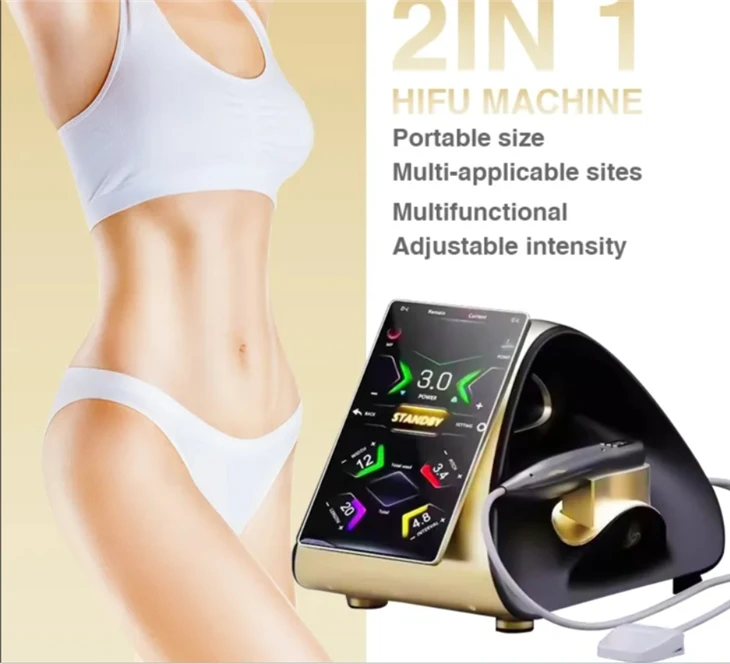
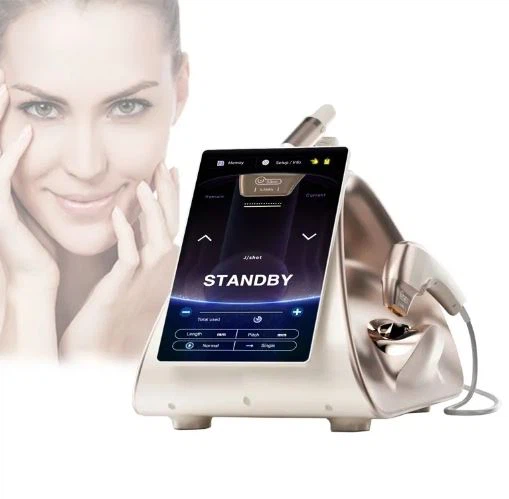
Now, let's take a look at some of the 4D Hifu machines that we offer. We have the 22D MAX Hifu Machine, which is a top-of-the-line device with advanced features. It offers precise depth control, allowing us to target the stretch marks at the right skin layers. The energy output is also customizable, so we can adjust the treatment according to the individual's skin condition and the severity of the stretch marks.
Our HI - 8D - ULTRASOUND Machine is another great option. It's a more affordable alternative without compromising on quality. It still has the ability to stimulate collagen production and can be used effectively for stretch mark reduction. The machine is easy to operate, making it suitable for both professional clinics and home use.
And then there's the MPT 12D HIFU Machine. This machine is known for its high - energy output and multi - layer targeting capabilities. It can reach deeper into the skin, which is especially useful for treating more severe stretch marks.
Of course, before starting any 4D Hifu treatment for stretch marks, it's important to have a consultation with a qualified professional. They can assess your skin condition, determine if Hifu is the right treatment for you, and create a personalized treatment plan. They'll also be able to answer any questions you may have about the procedure, the potential side effects, and the expected results.
As for side effects, 4D Hifu treatment is generally considered safe. However, some people may experience mild redness, swelling, or tenderness in the treated area immediately after the treatment. These side effects usually subside within a few hours to a few days. In rare cases, there may be more serious side effects like burns or scarring, but this is extremely unlikely if the treatment is performed by a trained professional using a high - quality machine.
In conclusion, while a 4D Hifu machine can't completely eliminate stretch marks, it can significantly improve their appearance by stimulating collagen production. It's a non - invasive, relatively safe treatment option that has shown promising results in many cases. If you're struggling with stretch marks and looking for a way to reduce their visibility, a 4D Hifu treatment may be worth considering.
If you're interested in learning more about our 4D Hifu machines or want to discuss how they can be used for stretch mark reduction, feel free to reach out. We're here to help you make an informed decision and find the best solution for your skin concerns.
References
- Alster, T. S., & Tanzi, E. L. (2007). Nonablative resurfacing: current options. Dermatologic clinics, 25(3), 287 - 295.
- Bitter, P. H., Jr. (2008). Nonablative laser and light - based treatment of acne scarring. Journal of drugs in dermatology: JDD, 7(10), 937 - 943.
- Goldman, M. P., Biron, J. A., Fitzpatrick, R. E., Goldman, A., Ross, E. V., & Schech, A. (2008). Efficacy and safety of a novel nonablative 1927 - nm fractional thulium fiber laser for treatment of photodamage. Dermatologic surgery, 34(9), 1195 - 1203.