

Molluscum contagiosum is a common skin condition caused by a poxvirus. It typically results in small, raised, pearly or flesh - colored bumps on the skin. These bumps can appear anywhere on the body and are often spread through direct skin - to - skin contact or contact with contaminated objects. As a supplier of Co2 Laser Fractional Machines, I often get asked if our machines can be used to treat molluscum contagiosum. In this blog, I will explore this question in detail.
Understanding Co2 Laser Fractional Machines
Co2 laser fractional machines are advanced medical and aesthetic devices. They work by emitting a high - energy carbon dioxide laser beam. The laser beam is fractionated, which means it is divided into thousands of tiny micro - beams. These micro - beams penetrate the skin at various depths, creating microscopic treatment zones.
The benefits of using Co2 laser fractional machines are numerous. For one, they can stimulate collagen production in the skin. Collagen is a protein that gives the skin its structure, elasticity, and firmness. As we age, collagen production decreases, leading to wrinkles, fine lines, and sagging skin. By promoting collagen synthesis, Co2 laser fractional machines can help improve the overall appearance of the skin. Additionally, they can be used to treat a variety of skin conditions, including acne scars, sun damage, and uneven skin tone.
There are different types of Co2 laser fractional machines available in the market. For instance, the Glass Tube CO2 Fractional Laser Machine offers a unique combination of performance and reliability. It uses a glass tube laser source, which is known for its long - lasting and stable output. The Co2 Laser Skin Resurfacing Machine is specifically designed for skin resurfacing procedures. It can effectively remove the outer layers of damaged skin, revealing smoother, healthier skin underneath. The High Quality Fractional Co2 Laser Machine is engineered with the latest technology to provide precise and customizable treatments.
Molluscum Contagiosum: Characteristics and Traditional Treatments
Molluscum contagiosum is highly contagious. The virus can spread easily among children, especially in settings like schools and daycare centers. Adults can also contract the virus, particularly those with weakened immune systems. The bumps caused by molluscum contagiosum are usually painless, but they can be itchy. Scratching the bumps can cause the virus to spread to other parts of the body or to other people.
Traditional treatment methods for molluscum contagiosum include cryotherapy, which involves freezing the bumps with liquid nitrogen. This causes the bumps to fall off over time. Another method is curettage, where a doctor uses a small, spoon - shaped instrument to scrape off the bumps. Topical medications, such as cantharidin or imiquimod, can also be prescribed. Cantharidin is a blistering agent that is applied to the bumps to cause them to blister and eventually fall off. Imiquimod is an immune - response modifier that helps the body's immune system fight the virus.
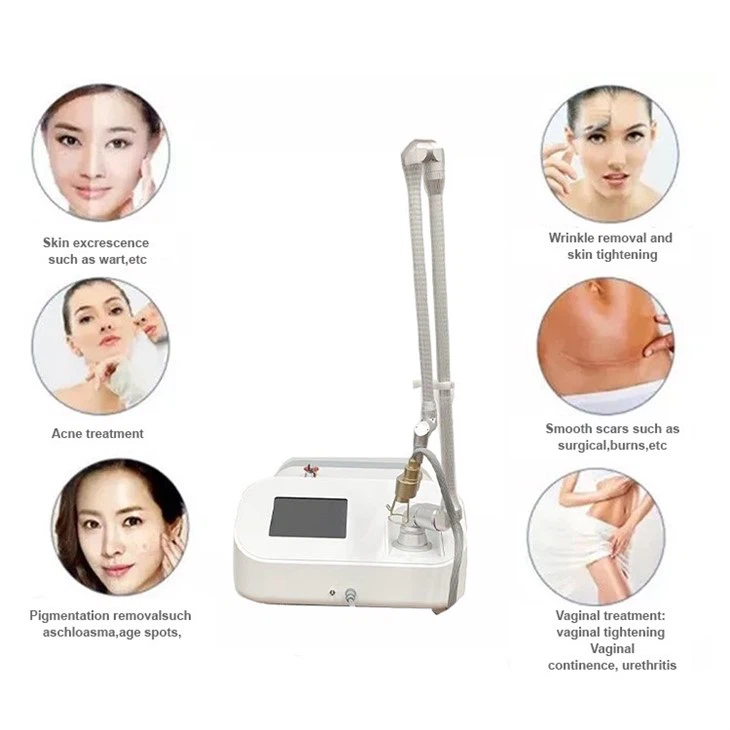

Can a Co2 Laser Fractional Machine Treat Molluscum Contagiosum?
The short answer is yes, a Co2 laser fractional machine can be used to treat molluscum contagiosum. The high - energy laser beam can precisely target the molluscum bumps. When the laser hits the bumps, it vaporizes the infected tissue. This not only removes the visible bumps but also destroys the virus within them.
One of the advantages of using a Co2 laser fractional machine for treating molluscum contagiosum is its precision. The laser can be adjusted to target only the affected areas, leaving the surrounding healthy skin intact. This reduces the risk of scarring and other complications. Compared to traditional methods like cryotherapy and curettage, laser treatment is often quicker and less painful.
However, there are also some limitations. Co2 laser fractional machine treatment may not be suitable for everyone. For example, people with certain skin types or medical conditions may not be good candidates. Also, the cost of laser treatment can be relatively high compared to some traditional treatment methods. And in some cases, multiple treatment sessions may be required to completely eliminate the molluscum contagiosum.
Case Studies and Clinical Evidence
There have been several case studies that support the use of Co2 laser fractional machines for treating molluscum contagiosum. In one study, a group of patients with molluscum contagiosum were treated with a Co2 laser fractional machine. After a series of treatment sessions, the majority of the patients showed significant improvement. The molluscum bumps were either completely removed or significantly reduced in size.
Clinical evidence also shows that the success rate of Co2 laser treatment for molluscum contagiosum is relatively high. The laser's ability to precisely target the infected tissue and destroy the virus has been proven effective in many clinical trials. However, more research is still needed to fully understand the long - term effects and optimal treatment protocols.
Considerations Before Using a Co2 Laser Fractional Machine for Molluscum Contagiosum
Before deciding to use a Co2 laser fractional machine for treating molluscum contagiosum, several factors need to be considered. First, it is crucial to consult a qualified dermatologist or medical professional. They can assess the patient's skin condition, medical history, and overall health to determine if laser treatment is appropriate.
Skin type is an important consideration. People with darker skin tones may be at a higher risk of developing pigmentation changes after laser treatment. The medical professional can adjust the laser settings to minimize this risk.
Cost is another factor. Laser treatment can be expensive, and it may not be covered by insurance in all cases. Patients should also be aware of the potential side effects, such as redness, swelling, and temporary skin discoloration. These side effects usually subside within a few days to weeks after treatment.
Conclusion
In conclusion, a Co2 laser fractional machine can be an effective treatment option for molluscum contagiosum. Its precision, ability to destroy the virus, and relatively low risk of scarring make it an attractive choice. However, it is not without limitations, and careful consideration should be given before undergoing treatment.
If you are interested in learning more about our Co2 laser fractional machines or exploring the possibility of using them for treating molluscum contagiosum, we encourage you to reach out to us. Our team of experts can provide you with detailed information and guide you through the purchasing process. Whether you are a medical professional looking to add this treatment option to your practice or an individual seeking a solution for molluscum contagiosum, we are here to help.
References
- "Dermatologic Surgery: Principles and Practice" by Ronald L. Moy, M.D.
- "Textbook of Laser and Photomedicine" by Rajiv Grover, M.D.
- Various clinical studies on the treatment of molluscum contagiosum published in dermatology journals.