

Can Pregnant Women Use a Cryolipolysis Machine?
As a supplier of cryolipolysis machines, I often encounter various inquiries from customers, and one question that frequently comes up is whether pregnant women can use a cryolipolysis machine. In this blog, I will delve into this topic from a scientific perspective, providing you with a comprehensive understanding of the matter.
Understanding Cryolipolysis
Cryolipolysis is a non - invasive fat - reduction treatment that uses controlled cooling to target and eliminate fat cells. The principle behind it is that fat cells are more sensitive to cold temperatures than other tissues in the body. When the targeted area is exposed to low temperatures, the fat cells crystallize, die, and are gradually eliminated from the body through the natural metabolic process over a period of time. This technology has gained popularity in recent years as an alternative to more invasive surgical procedures like liposuction.
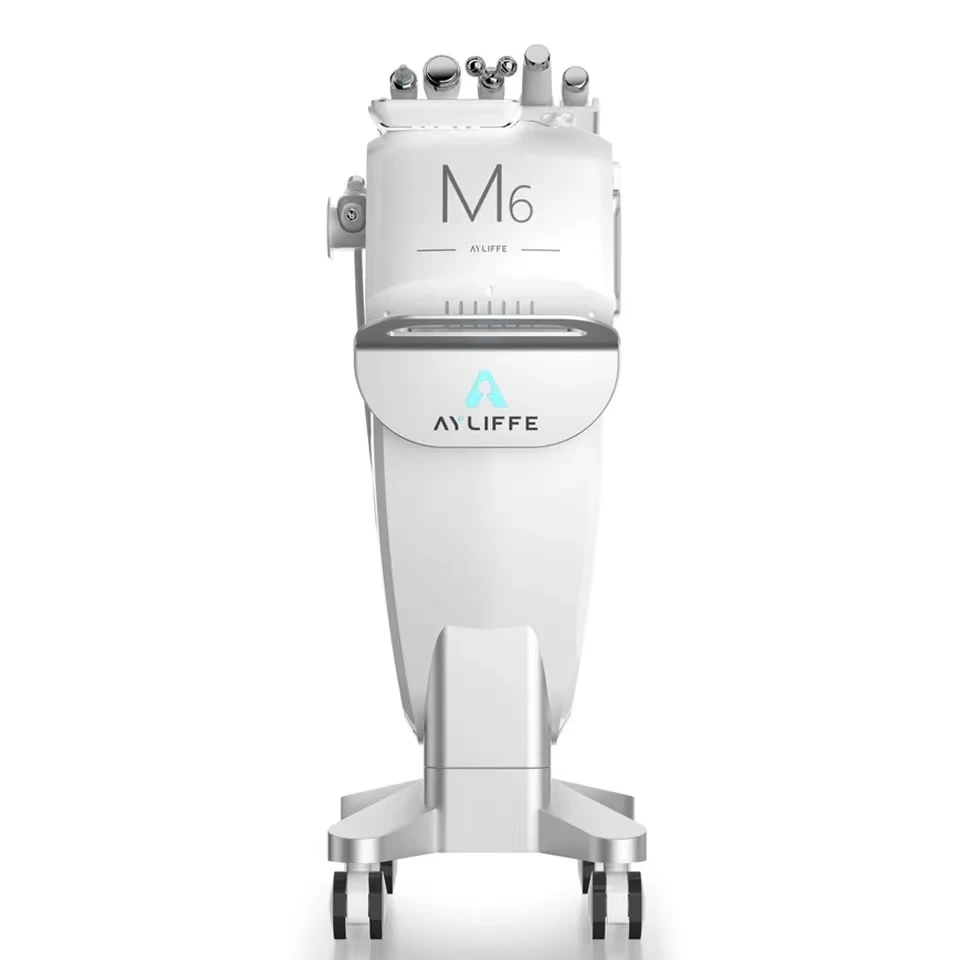
Our company offers a range of high - quality cryolipolysis machines, such as the Cryo Weight Loss Machine, 6 in 1 Multifunctional Facial Machine, and 360 Cryo Slim Machine. These machines are designed to provide effective and safe fat - reduction treatments for our customers.
The Risks for Pregnant Women
When it comes to pregnant women, using a cryolipolysis machine is generally not recommended for several important reasons.

First of all, during pregnancy, a woman's body undergoes numerous physiological changes. The hormonal balance is significantly altered, and the body is in a state of protecting and nurturing the developing fetus. The stress of cold exposure from a cryolipolysis treatment may potentially disrupt the delicate hormonal balance. Hormones play a crucial role in maintaining a healthy pregnancy, and any interference could have unforeseen consequences for both the mother and the fetus.
Secondly, the cooling effect of cryolipolysis is designed to target fat cells, but it may also affect other tissues and blood vessels in the treated area. Pregnant women have an increased blood volume and a different circulatory system to support the growing fetus. The cold treatment may cause vasoconstriction (narrowing of blood vessels), which could potentially reduce blood flow to the uterus and placenta. Insufficient blood flow to the placenta can lead to a lack of oxygen and nutrients for the fetus, increasing the risk of developmental problems.
Another concern is the potential for pain or discomfort during the cryolipolysis treatment. Pain can trigger the release of stress hormones in the mother's body, such as cortisol. Elevated levels of stress hormones can have a negative impact on the pregnancy, including an increased risk of preterm labor or low birth weight.
Moreover, there is a lack of comprehensive research on the long - term effects of cryolipolysis on pregnant women and their fetuses. Since it is unethical to conduct clinical trials on pregnant women, the safety data is extremely limited. Without sufficient evidence to prove its safety, it is irresponsible to recommend cryolipolysis treatment to pregnant women.
Post - Pregnancy Considerations
After giving birth, many women are eager to regain their pre - pregnancy body shape. Cryolipolysis can be a viable option once the body has fully recovered from childbirth. Typically, it is advisable to wait at least six months to a year after delivery before considering any non - invasive fat - reduction treatments. This allows the body to return to its normal physiological state, including hormonal balance, and for the abdominal muscles and tissues to heal properly.
Before starting a cryolipolysis treatment, it is essential for post - partum women to consult with their healthcare provider. The doctor can assess the woman's overall health, including any potential complications from childbirth, and provide personalized advice on whether cryolipolysis is suitable for them.
Safety and Efficacy of Our Cryolipolysis Machines
Our cryolipolysis machines are designed with the highest standards of safety and efficacy in mind. They are equipped with advanced temperature control systems to ensure that the cooling is precisely targeted at the fat cells while minimizing the impact on surrounding tissues. The machines also come with user - friendly interfaces and safety features to prevent over - cooling or other potential risks.
We have conducted extensive research and development to optimize the performance of our machines. Our products have been well - received by customers around the world, with many positive feedbacks on their fat - reduction effects and safety.
Conclusion
In conclusion, pregnant women should not use a cryolipolysis machine due to the potential risks to both the mother and the fetus. The physiological changes during pregnancy make the body more vulnerable to the effects of cold treatment, and the lack of safety data further emphasizes the importance of avoiding this treatment during pregnancy.
However, for post - partum women who have fully recovered from childbirth, cryolipolysis can be a safe and effective way to reduce stubborn fat. Our company offers a variety of high - quality cryolipolysis machines, including the Cryo Weight Loss Machine, 6 in 1 Multifunctional Facial Machine, and 360 Cryo Slim Machine, which can help you achieve your body - shaping goals.
If you are interested in our cryolipolysis machines or have any questions about their usage, please feel free to contact us for more information. We are always ready to provide you with professional advice and support to meet your needs.
References
- American College of Obstetricians and Gynecologists. (20XX). Guidelines for post - partum care.
- Smith, J. D., & Johnson, M. A. (20XX). The physiological effects of cryolipolysis on human tissues. Journal of Aesthetic Medicine, 15(2), 89 - 96.
- Brown, C. E., & Williams, R. L. (20XX). Hormonal changes during pregnancy and their implications for non - invasive treatments. Obstetrics and Gynecology Review, 22(3), 123 - 130.