

In the dynamic world of aesthetic technology, cryo weight loss machines have emerged as a revolutionary solution for non - invasive fat reduction. As a supplier of cryo weight loss machines, I've witnessed firsthand the growing demand for these devices. One of the critical aspects that often goes unnoticed but is essential for the machine's optimal performance is heat dissipation.
The Basics of Cryo Weight Loss Machines
Cryo weight loss machines operate on the principle of cryolipolysis, which involves subjecting fat cells to extremely low temperatures. At these low temperatures, fat cells crystallize and eventually die. Over time, the body naturally eliminates these dead fat cells through the lymphatic system, resulting in a reduction of unwanted fat deposits.
These machines typically consist of a cooling applicator that comes into direct contact with the skin. Inside the applicator, a cooling mechanism is at work, often using a refrigerant or a thermoelectric cooling system. As the cooling process takes place, heat is generated within the machine due to the operation of various components such as motors, compressors, and electrical circuits.
Why Heat Dissipation is Crucial
Excessive heat can have a detrimental impact on the performance and lifespan of a cryo weight loss machine. High temperatures can cause components to malfunction, leading to inaccurate temperature control. This is a significant issue as precise temperature regulation is essential for the effectiveness and safety of cryolipolysis treatments.
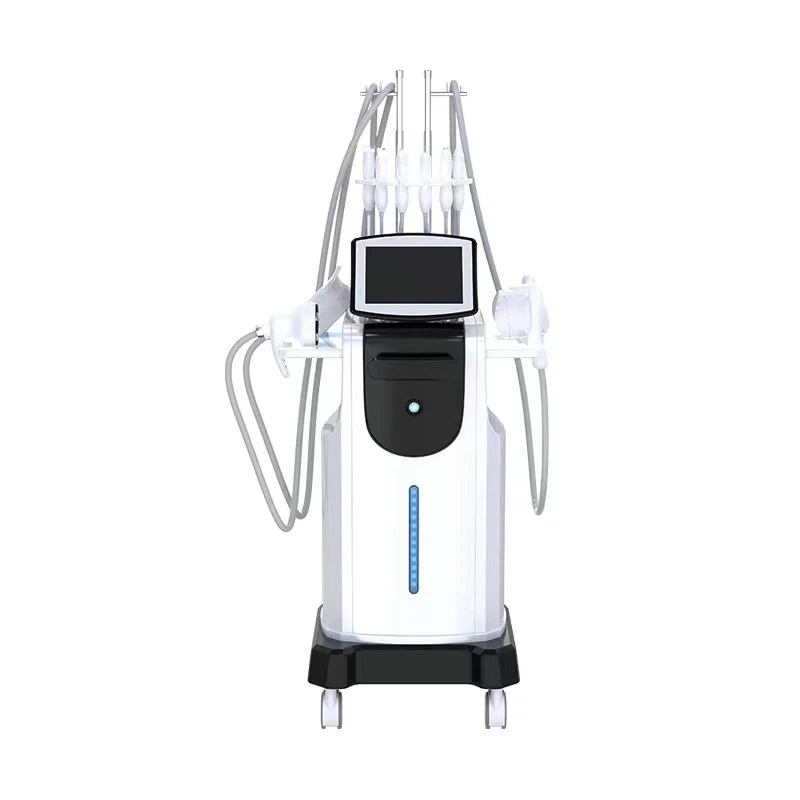

Moreover, overheating can also reduce the efficiency of the cooling system. If the heat generated within the machine is not dissipated effectively, the cooling mechanism has to work harder to maintain the desired low temperatures. This not only consumes more energy but also increases wear and tear on the components, potentially leading to more frequent breakdowns and costly repairs.
Heat Dissipation Methods in Cryo Weight Loss Machines
1. Air Cooling
Air cooling is one of the most common methods used in cryo weight loss machines. It involves the use of fans to circulate air around the components that generate heat. The fans draw in cool air from the surroundings and blow it over the hot components, transferring the heat to the air. The heated air is then expelled from the machine.
In some machines, air cooling is enhanced by the use of heat sinks. Heat sinks are typically made of materials with high thermal conductivity, such as aluminum or copper. They are attached to the heat - generating components and increase the surface area available for heat transfer. This allows the heat to be dissipated more efficiently into the surrounding air.
For example, in our 9 in 1body Slimming Machine, air cooling is complemented by well - designed heat sinks. The fans are strategically placed to ensure optimal air circulation, and the heat sinks are carefully engineered to maximize heat dissipation.
2. Liquid Cooling
Liquid cooling is another effective method for heat dissipation in cryo weight loss machines. In a liquid - cooled system, a coolant, usually a mixture of water and antifreeze, is circulated through a closed loop. The coolant absorbs heat from the components and transfers it to a radiator.
The radiator then dissipates the heat into the surrounding air. Liquid cooling is more efficient than air cooling as liquids have a higher heat capacity than air. This means that they can absorb more heat per unit volume, allowing for better heat transfer.
Our 80 k Cavitation Slimming Machine utilizes a liquid - cooling system. The coolant is circulated through small tubes in close contact with the heat - generating components, ensuring rapid heat absorption. The radiator is designed with a large surface area and efficient fins to enhance heat dissipation into the air.
3. Thermoelectric Cooling
Thermoelectric cooling, also known as the Peltier effect, can also be used for heat dissipation in cryo weight loss machines. A thermoelectric cooler consists of two semiconductor materials connected by an electrical circuit. When an electric current is applied, heat is transferred from one side of the cooler to the other.
This technology can be used to cool specific components within the machine or to assist in overall heat dissipation. In some cases, thermoelectric coolers are used in combination with other cooling methods for more effective heat management. Our Cool Sculpting Cryolipolysis Machine incorporates thermoelectric cooling in certain critical areas to ensure precise temperature control and efficient heat dissipation.
Maintenance for Optimal Heat Dissipation
Proper maintenance is essential to ensure that the heat dissipation systems in cryo weight loss machines function effectively. Regular cleaning of the air filters in air - cooled machines is crucial. Over time, dust and debris can accumulate on the filters, restricting air flow and reducing the efficiency of the cooling system.
For liquid - cooled systems, it is important to check the coolant level regularly and ensure that there are no leaks in the system. The radiator should also be inspected for any blockages or damage. In the case of thermoelectric coolers, the electrical connections should be checked periodically to ensure proper operation.
Conclusion
Heat dissipation is a vital aspect of cryo weight loss machines. As a supplier, we understand the importance of ensuring that our machines are equipped with effective heat dissipation systems. By using a combination of air cooling, liquid cooling, and thermoelectric cooling, we can provide machines that offer reliable performance, accurate temperature control, and long - term durability.
If you are interested in purchasing a high - quality cryo weight loss machine or have any questions about our products, we encourage you to contact us for further discussion. We are committed to providing you with the best solutions for your aesthetic needs.
References
- "Cryolipolysis: A Review of the Current Literature" - Journal of Clinical and Aesthetic Dermatology
- "Thermal Management in Medical Devices" - International Journal of Thermal Sciences
- "Advances in Cooling Technologies for Electronic Components" - IEEE Transactions on Components, Packaging and Manufacturing Technology