

Cryolipolysis has emerged as a popular non - invasive body contouring technique in recent years. As a leading supplier of cryolipolysis machines in the market, I am constantly intrigued by the scientific underpinnings of how these machines interact with the human body, especially the complex lymphatic system.
To understand the relationship between a cryolipolysis machine and the lymphatic system, it's essential first to grasp the basic principle of cryolipolysis. Cryolipolysis is based on the fact that fat cells are more sensitive to cold temperatures compared to other types of cells in the body such as skin, muscle, or nerve cells. A cryolipolysis machine, like our Slimming Cryolipolysis Machine, works by applying controlled cooling to the targeted area of the body. This cooling process causes the fat cells to crystallize or undergo adipocyte apoptosis, which is essentially programmed cell death.
The lymphatic system plays a crucial role in this post - cryolipolysis process. It is a vast network of vessels, lymph nodes, and organs that is responsible for maintaining fluid balance in the body, filtering out toxins and waste products, and transporting immune cells. When the fat cells are damaged by the cryolipolysis treatment, they start to break down into smaller particles. These debris from the dead fat cells need to be removed from the body, and this is where the lymphatic system steps in.
After a cryolipolysis session, the lymphatic vessels in the treated area absorb the fragmented fat cells. The lymphatic fluid then carries these fat cell remnants through the lymphatic vessels towards the lymph nodes. Lymph nodes act as filters, where immune cells such as macrophages identify and engulf the fat debris. The macrophages break down the fat particles further into even smaller components, which are then either used for energy or excreted from the body.

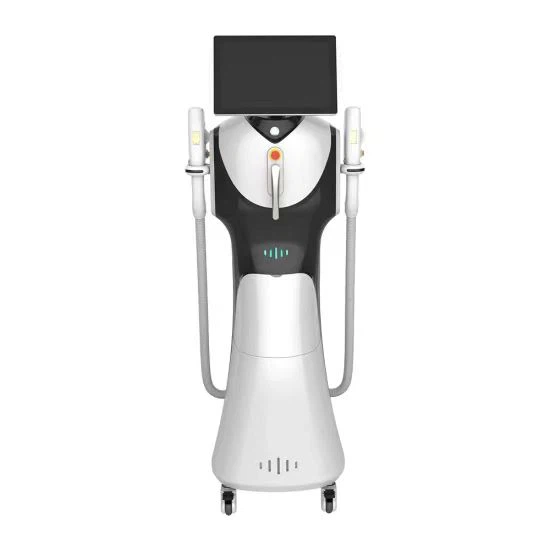
Our Cryo Fat Freezing Machine is designed to optimize the interaction with the lymphatic system. The precise temperature control and the targeted cooling mechanism ensure that only the fat cells are affected, minimizing the damage to the surrounding tissues and the lymphatic vessels themselves. This way, the normal functioning of the lymphatic system is maintained, and the removal process of the dead fat cells can proceed smoothly.
However, the efficiency of this interaction can be influenced by several factors. One of the key factors is the individual's overall lymphatic function. People who have a healthy and well - functioning lymphatic system usually experience a faster removal of the dead fat cells post - cryolipolysis. On the other hand, individuals with lymphatic congestion or lymphedema may have a slower process. Lifestyle factors also play a role. For example, staying hydrated helps to keep the lymphatic fluid flowing. Regular physical activity, such as walking or light exercise, can stimulate the lymphatic vessels to contract and move the fluid more efficiently.
Another aspect to consider is the role of massage in enhancing the interaction between the cryolipolysis machine's effects and the lymphatic system. Manual lymphatic drainage (MLD) massage has been widely recommended after cryolipolysis treatments. MLD massage uses gentle, rhythmic movements to encourage the flow of lymphatic fluid. By applying specific techniques, the massage therapist can help direct the lymphatic fluid containing the fat cell debris towards the lymph nodes more effectively. Our company also offers guidance on post - treatment care, including recommended massage routines to optimize the results of our cryolipolysis machines.
In addition to the single - function cryolipolysis machines, we also provide a Multi Functionnal IPL Laser Beauty Machine. This machine combines cryolipolysis with other advanced beauty technologies such as IPL (Intense Pulsed Light). The integration of these functions can have a synergistic effect on body contouring and skin rejuvenation. The cryolipolysis part targets the fat cells, while the IPL technology can improve skin texture and reduce the appearance of cellulite. The interaction with the lymphatic system remains a key factor in the overall efficacy of this multi - functional machine. The combined treatment may lead to a more comprehensive breakdown and removal of fat and other waste materials through the lymphatic system.
As a supplier, we are committed to providing high - quality cryolipolysis machines that not only deliver effective results but also ensure the safety and well - being of the users. Our research and development team is constantly working on improving the design of our machines to enhance their interaction with the body's natural systems, especially the lymphatic system. We conduct extensive clinical trials and studies to understand how different parameters of the cryolipolysis treatment, such as temperature, duration, and frequency, affect the lymphatic response.
If you are interested in our cryolipolysis machines or have any questions about how they interact with the lymphatic system, we welcome you to engage in a procurement discussion with us. Our professional sales team is ready to provide detailed information and support to help you make the best decision for your business or personal needs. Whether you are a beauty salon owner looking to expand your service offerings or an individual interested in home - use equipment, we have the right solution for you.
In conclusion, the interaction between a cryolipolysis machine and the lymphatic system is a complex but well - orchestrated process. Understanding this relationship is crucial for maximizing the results of cryolipolysis treatments and ensuring the long - term health of the patients. Our company, as a leading supplier in the field, is dedicated to bringing you the most advanced and effective cryolipolysis machines, backed by scientific research and a deep understanding of the human body.
References
- Rox Anderson, D., & Manstein, D. (2009). Cryolipolysis for subcutaneous fat layer reduction. Dermatologic Surgery, 35(7), 1060 - 1070.
- Goldman, M. P., Sarnoff, D. S., Weiss, R. A., & Weiss, M. A. (2010). Cryolipolysis: A novel method of noninvasive fat removal. Journal of Drugs in Dermatology, 9(1), 32 - 36.
- Sadick, N. S., & Magro, C. M. (2011). Cryolipolysis: Targeted cooling for the non - invasive reduction of adipose tissue: mechanism of action and clinical findings. Journal of Drugs in Dermatology, 10(6), 694 - 698.