

In the dynamic landscape of beauty and wellness technology, RF (Radio Frequency) equipment machines have emerged as indispensable tools for professionals seeking to deliver exceptional results to their clients. As a leading supplier of RF equipment machines, I understand the importance of efficiency in maximizing the performance of these devices. In this blog post, I will share some valuable insights and strategies on how to improve the efficiency of RF equipment machines, ensuring optimal outcomes for both practitioners and their customers.

Understanding the Basics of RF Technology
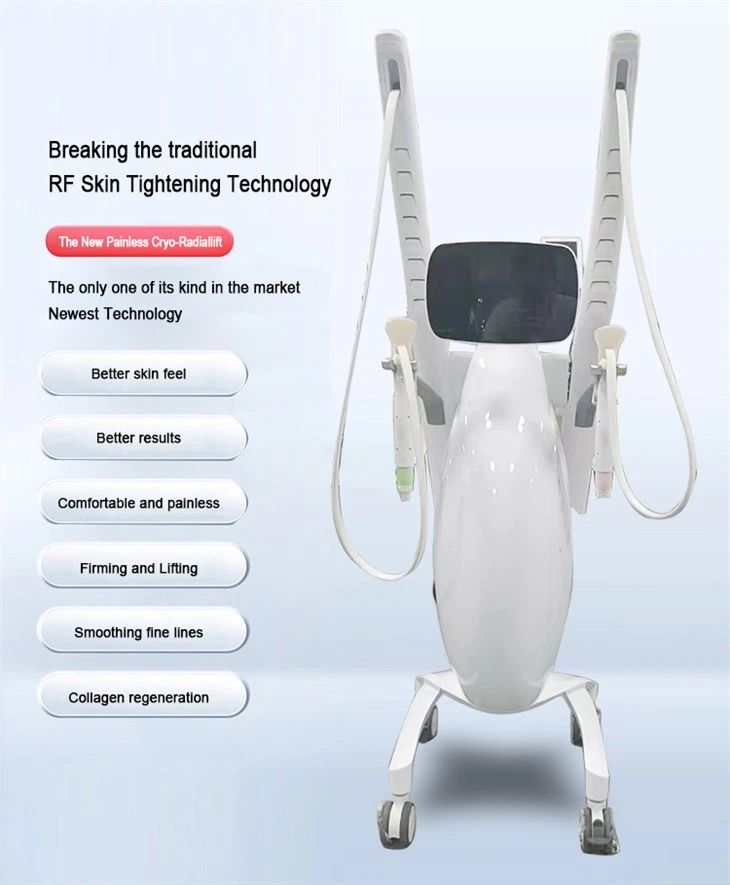
Before delving into the strategies for enhancing efficiency, it is essential to have a solid understanding of how RF technology works. RF machines utilize radio frequency energy to heat the deeper layers of the skin, stimulating collagen production and tightening the skin. This non-invasive treatment has gained popularity due to its ability to reduce wrinkles, improve skin texture, and contour the body without the need for surgery.
To ensure the efficiency of an RF equipment machine, it is crucial to select a device that is appropriate for the specific treatment area and the patient's skin type. Different RF machines offer varying levels of energy output, penetration depth, and treatment modes, so it is important to choose a machine that can deliver the desired results safely and effectively.
Proper Machine Maintenance
One of the most important factors in improving the efficiency of an RF equipment machine is regular maintenance. Just like any other piece of equipment, RF machines require proper care and attention to ensure optimal performance. Here are some key maintenance tips to keep in mind:
- Cleaning: Regularly clean the machine's electrodes, probes, and other components to remove any debris, oils, or contaminants that may accumulate during use. Use a mild cleaning solution and a soft cloth to avoid damaging the machine's surface.
- Calibration: Periodically calibrate the machine to ensure accurate energy output and treatment parameters. Follow the manufacturer's instructions for calibration and use a calibrated power meter to verify the machine's performance.
- Inspection: Conduct regular inspections of the machine's cables, connectors, and other components to check for any signs of wear or damage. Replace any worn or damaged parts immediately to prevent malfunctions and ensure the safety of the machine.
- Storage: Store the machine in a clean, dry, and temperature-controlled environment when not in use. Avoid exposing the machine to extreme temperatures, humidity, or direct sunlight, as these conditions can damage the machine's components and reduce its lifespan.
Operator Training and Skill Development
Another crucial factor in improving the efficiency of an RF equipment machine is the operator's training and skill level. A well-trained operator will be able to use the machine effectively, adjust the treatment parameters according to the patient's needs, and minimize the risk of complications. Here are some tips for ensuring operator training and skill development:
- Manufacturer Training: Enroll in a training program offered by the machine's manufacturer to learn about the machine's features, operation, and safety protocols. Manufacturer training programs typically include hands-on training sessions, theoretical lectures, and certification exams.
- Continuing Education: Stay up-to-date with the latest advancements in RF technology and treatment techniques by attending continuing education courses, workshops, and conferences. Continuing education courses can help operators expand their knowledge and skills, learn new treatment protocols, and stay ahead of the competition.
- Practice and Experience: Practice using the machine on a regular basis to improve your skills and confidence. Start with simple treatments and gradually increase the complexity of the treatments as you gain more experience. Seek feedback from colleagues and patients to identify areas for improvement and refine your technique.
Patient Selection and Preparation
Proper patient selection and preparation are also essential for improving the efficiency of an RF equipment machine. Not all patients are suitable candidates for RF treatments, so it is important to conduct a thorough consultation with each patient to assess their skin type, medical history, and treatment goals. Here are some tips for patient selection and preparation:
- Patient Screening: Screen patients for any contraindications or medical conditions that may prevent them from undergoing RF treatments. Contraindications may include pregnancy, active infections, skin diseases, and certain medical conditions such as diabetes or heart disease.
- Treatment Planning: Develop a personalized treatment plan for each patient based on their skin type, treatment goals, and medical history. The treatment plan should include the number of treatments, the treatment intervals, and the specific treatment parameters to be used.
- Patient Education: Educate patients about the RF treatment process, including the expected results, the potential side effects, and the post-treatment care instructions. Provide patients with written materials and answer any questions they may have to ensure they are fully informed and comfortable with the treatment.
- Pre-Treatment Preparation: Instruct patients to avoid sun exposure, tanning beds, and certain medications or supplements that may increase the risk of complications before the treatment. Advise patients to clean their skin thoroughly and remove any makeup, jewelry, or other accessories before the treatment.
Optimizing Treatment Parameters
In addition to proper machine maintenance, operator training, and patient selection, optimizing the treatment parameters is also crucial for improving the efficiency of an RF equipment machine. The treatment parameters, such as the energy output, the treatment time, and the frequency, can have a significant impact on the treatment results and the patient's comfort level. Here are some tips for optimizing the treatment parameters:
- Start Low and Go Slow: When treating a new patient or a new treatment area, start with a low energy output and gradually increase the energy level as the patient's tolerance allows. This approach can help minimize the risk of complications and ensure the patient's comfort during the treatment.
- Adjust the Treatment Time: The treatment time should be adjusted based on the treatment area, the patient's skin type, and the desired results. In general, longer treatment times may be required for larger treatment areas or for patients with thicker skin.
- Choose the Right Frequency: Different RF machines offer different frequencies, which can affect the penetration depth and the treatment results. Choose the frequency that is appropriate for the treatment area and the patient's skin type to ensure optimal results.
- Monitor the Patient's Response: During the treatment, monitor the patient's response to the treatment and adjust the treatment parameters as needed. If the patient experiences any discomfort or pain, reduce the energy output or the treatment time.
Utilizing Advanced Features and Technologies
Many modern RF equipment machines offer advanced features and technologies that can enhance the efficiency and effectiveness of the treatments. Here are some examples of advanced features and technologies that you may want to consider:
- Multipolar RF: Multipolar RF machines use multiple electrodes to deliver RF energy to the skin, which can increase the treatment area and improve the treatment results. Multipolar RF machines are particularly effective for treating large areas of the body, such as the abdomen, thighs, and buttocks.
- Combination Therapies: Some RF machines offer the option to combine RF energy with other technologies, such as infrared light, ultrasound, or laser, to enhance the treatment results. Combination therapies can target different layers of the skin and address multiple skin concerns simultaneously.
- Smart Technology: Some RF machines are equipped with smart technology, such as sensors and algorithms, that can automatically adjust the treatment parameters based on the patient's skin type, treatment area, and response to the treatment. Smart technology can help ensure consistent and optimal treatment results.
- Customizable Treatment Modes: Many RF machines offer customizable treatment modes that allow operators to adjust the treatment parameters to meet the specific needs of each patient. Customizable treatment modes can help improve the efficiency and effectiveness of the treatments and ensure patient satisfaction.
Conclusion
Improving the efficiency of an RF equipment machine requires a combination of proper machine maintenance, operator training, patient selection, and optimization of the treatment parameters. By following the tips and strategies outlined in this blog post, you can ensure that your RF equipment machine is operating at its best and delivering optimal results for your patients.
If you are interested in learning more about our RF equipment machines or would like to discuss your specific needs and requirements, please do not hesitate to contact us. We are a leading supplier of RF equipment machines and have a team of experienced professionals who can provide you with the guidance and support you need to make the right decision.
References
- [1] Smith, J. (2020). Radio Frequency Technology in Aesthetic Medicine. Journal of Cosmetic and Laser Therapy, 22(1), 1-5.
- [2] Jones, A. (2019). The Use of Radio Frequency in Skin Tightening and Body Contouring. Aesthetic Surgery Journal, 39(6), 678-685.
- [3] Brown, C. (2018). Optimizing the Efficiency of RF Equipment Machines in Aesthetic Treatments. International Journal of Cosmetic Science, 40(3), 245-252.