

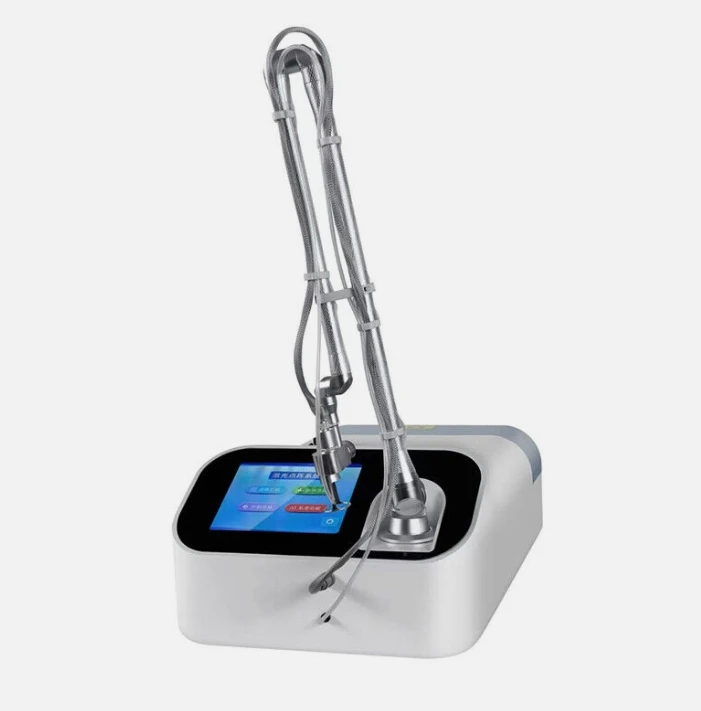
The wavelength of a CO2 laser fractional machine is a critical factor that determines its effectiveness and applications in the field of aesthetic medicine. As a leading supplier of CO2 laser fractional machines, I am excited to delve into the details of this important parameter and share how it impacts the performance of our cutting - edge devices.

Understanding CO2 Laser Wavelength
CO2 lasers emit light in the infrared spectrum, specifically at a wavelength of approximately 10,600 nanometers (nm). This unique wavelength is highly absorbed by water molecules, which are abundant in human skin. When the CO2 laser beam interacts with the skin, the energy from the laser is rapidly absorbed by the water in the skin cells. This absorption causes the water to heat up and vaporize, leading to a controlled ablation of the skin tissue.
The 10,600 - nm wavelength is ideal for skin resurfacing and rejuvenation procedures because it allows for precise control over the depth and intensity of the treatment. The laser can be adjusted to target specific layers of the skin, from the superficial epidermis to the deeper dermis, depending on the patient's needs and the desired outcome.
How the Wavelength Affects Treatment
Skin Resurfacing
One of the primary applications of CO2 laser fractional machines is skin resurfacing. Co2 Laser Skin Resurfacing Machine uses the 10,600 - nm wavelength to remove damaged or aged skin cells, revealing smoother, younger - looking skin underneath. The laser creates tiny, micro - ablated columns in the skin, which stimulate the body's natural healing response. As the skin heals, new collagen and elastin fibers are produced, improving the skin's texture, tone, and elasticity.
The ability of the CO2 laser to target water in the skin also means that it can effectively treat a variety of skin conditions, including acne scars, fine lines, wrinkles, and sun damage. By precisely controlling the depth of the laser treatment, our machines can provide customized solutions for each patient, ensuring optimal results with minimal downtime.
Fractional Laser Technology
Fractional laser technology is a revolutionary advancement in the field of aesthetic medicine. Instead of treating the entire surface of the skin at once, fractional lasers create a pattern of microscopic treatment zones, leaving surrounding tissue intact. This approach significantly reduces the risk of complications and shortens the recovery time compared to traditional ablative lasers.
Our Glass Tube CO2 Fractional Laser Machine utilizes the 10,600 - nm wavelength in a fractional mode, delivering high - energy laser pulses to specific areas of the skin. This allows for more targeted treatment, while also promoting faster healing and better long - term results. The fractional pattern can be adjusted according to the patient's skin type and the severity of the condition being treated, providing a personalized approach to skin rejuvenation.
Skin Rejuvenation
In addition to skin resurfacing, CO2 laser fractional machines are also used for skin rejuvenation. Skin Rejuvenation Laser CO2 Fractional Machine can stimulate collagen production in the dermis, which is essential for maintaining the skin's firmness and youthful appearance. The 10,600 - nm wavelength penetrates deep into the skin, triggering a biological response that promotes cell regeneration and tissue repair.
Over time, repeated treatments with a CO2 laser fractional machine can improve the overall quality of the skin, reducing the appearance of age - related changes such as sagging skin, dullness, and uneven pigmentation. The fractional nature of the treatment ensures that the skin heals quickly and with minimal discomfort, making it a popular choice for patients seeking non - invasive or minimally invasive skin rejuvenation options.
Safety and Efficacy
The 10,600 - nm wavelength of our CO2 laser fractional machines has been extensively studied and proven to be both safe and effective for a wide range of skin treatments. Our machines are equipped with advanced safety features, such as real - time monitoring of laser parameters and built - in cooling systems, to ensure the well - being of the patient during the procedure.
The fractional technology also minimizes the risk of complications, such as scarring, infection, and pigmentation changes. By leaving some healthy tissue intact between the treatment zones, the skin can heal more quickly and effectively, reducing the likelihood of adverse effects.
Why Choose Our CO2 Laser Fractional Machines
As a supplier of CO2 laser fractional machines, we are committed to providing the highest quality products and services to our customers. Our machines are designed with the latest technology and innovation, ensuring superior performance and reliability.
We offer a range of customizable treatment options, allowing our customers to tailor the treatments to the specific needs of their patients. Our experienced team of professionals is available to provide training and support, ensuring that our customers can operate the machines safely and effectively.
If you are interested in learning more about our CO2 laser fractional machines or would like to discuss potential purchasing opportunities, please do not hesitate to contact us. We look forward to the opportunity to work with you and help you achieve your business goals in the aesthetic medicine industry.
References
- Alster, T. S., & Lupton, J. R. (2004). Fractional photothermolysis: a new concept for cutaneous remodeling using microscopic patterns of thermal injury. Lasers in Surgery and Medicine, 34(5), 426 - 438.
- Dover, J. S., Arndt, K. A., & Alam, M. (2004). Fractional photothermolysis: a new and emerging concept in laser - based dermatologic therapy. Journal of Drugs in Dermatology, 3(3), 288 - 292.
- Tanzi, E. L., & Alster, T. S. (2007). Fractional resurfacing: an emerging option for patients with photoaged skin. Dermatologic Surgery, 33(2), 191 - 201.