

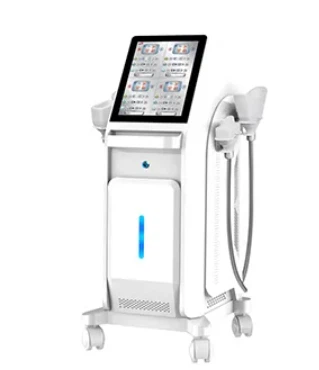
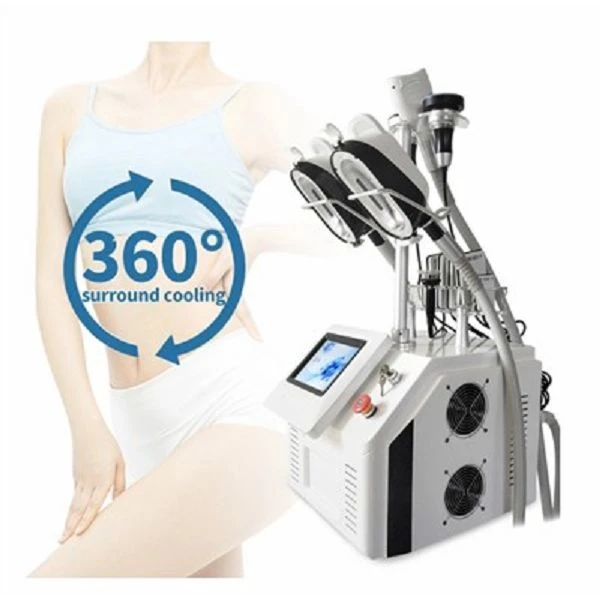
Cryolipolysis, a non - invasive fat reduction technique, has gained significant popularity in recent years. As a supplier of high - quality cryolipolysis machines, including the 360 Cryolipolysis Slimming Machine, Cellulite Reduction Machine, and Cryo Body Sculpt Machine, I am often asked about how these machines affect blood circulation. In this blog, I will explore the relationship between cryolipolysis machines and blood circulation from a scientific perspective.
Understanding Cryolipolysis
Cryolipolysis is based on the principle that fat cells are more sensitive to cold temperatures than surrounding tissues such as skin, muscle, and nerves. When a cryolipolysis machine is applied to the targeted area of the body, it delivers controlled cooling to the subcutaneous fat layer. This cooling process causes the fat cells to undergo apoptosis, or programmed cell death. Over time, the body's natural metabolic processes break down and eliminate these dead fat cells, resulting in a reduction of fat in the treated area.
Initial Effects on Blood Circulation
When a cryolipolysis machine is first activated and the cooling begins, the body's immediate response is to constrict blood vessels in the treated area. This is a natural physiological reaction known as vasoconstriction. The body tries to conserve heat by reducing blood flow to the surface of the skin. Vasoconstriction is a protective mechanism that helps prevent excessive heat loss from the body.
In the context of cryolipolysis, vasoconstriction has several implications. Firstly, it reduces the amount of oxygen and nutrients delivered to the fat cells. Since fat cells are already under stress due to the cold exposure, the reduced blood supply further weakens them, making them more susceptible to apoptosis. Secondly, vasoconstriction can also lead to a decrease in the metabolic rate of the tissues in the treated area. This is because metabolic processes rely on a continuous supply of oxygen and nutrients carried by the blood.
However, it's important to note that the vasoconstriction is a localized effect. The body's overall blood circulation is not significantly affected, as the cardiovascular system can compensate by redistributing blood flow to other parts of the body. Moreover, the vasoconstriction is temporary. Once the cooling treatment is completed, the blood vessels gradually begin to dilate, a process called vasodilation.
Vasodilation and Long - Term Effects
After the cryolipolysis treatment, the blood vessels in the treated area start to dilate. Vasodilation is triggered by the body's need to restore normal blood flow and remove the waste products generated by the dying fat cells. The dilated blood vessels allow for increased blood flow, which brings in more oxygen and nutrients to the area.
This increased blood circulation has several beneficial effects. Firstly, it helps in the removal of the dead fat cells. The enhanced blood flow carries the broken - down fat cells away from the treated area and into the lymphatic system, which then transports them to the liver for further processing and elimination from the body. Secondly, the increased oxygen and nutrient supply promotes tissue repair and regeneration. The skin and underlying tissues in the treated area can recover more quickly from the stress of the cold treatment.
In the long term, repeated cryolipolysis treatments may have a positive impact on blood circulation in the treated area. The regular cycles of vasoconstriction and vasodilation can improve the flexibility and responsiveness of the blood vessels. This is similar to how exercise can improve the health of blood vessels by challenging them to adapt to changing demands. Over time, the blood vessels may become more efficient at regulating blood flow, leading to better overall circulation in the treated area.
Impact on Lymphatic System and Blood Circulation
The lymphatic system plays a crucial role in the body's response to cryolipolysis and is closely linked to blood circulation. The lymphatic vessels are responsible for collecting and transporting the waste products, including the dead fat cells, from the tissues back to the bloodstream.
During a cryolipolysis treatment, the initial vasoconstriction can also affect the lymphatic vessels. The reduced blood flow can slow down the movement of lymphatic fluid in the treated area. However, once the vasodilation occurs, the increased blood flow also stimulates the lymphatic system. The enhanced pressure and movement in the blood vessels help to push the lymphatic fluid through the lymphatic vessels more efficiently.
This improved lymphatic drainage is essential for the successful removal of the dead fat cells. It ensures that the body can effectively eliminate the waste products and prevent the accumulation of fluid in the treated area, which could otherwise lead to swelling and discomfort.
Safety Considerations Regarding Blood Circulation
As a supplier of cryolipolysis machines, safety is our top priority. Our machines are designed to deliver a controlled and precise cooling process to minimize any potential negative effects on blood circulation. The cooling temperature and duration are carefully calibrated to ensure that the vasoconstriction and subsequent vasodilation are within a safe range.
Before a cryolipolysis treatment, it's important for the operator to assess the patient's overall health, including their cardiovascular function. Patients with certain medical conditions, such as poor blood circulation, Raynaud's disease, or other vascular disorders, may not be suitable candidates for cryolipolysis. In such cases, the potential risks to blood circulation may outweigh the benefits of the treatment.
Clinical Evidence
Numerous clinical studies have been conducted to evaluate the effects of cryolipolysis on blood circulation. These studies have generally shown that cryolipolysis is a safe and effective procedure with minimal impact on overall blood circulation. For example, a study published in a leading medical journal followed a group of patients who underwent cryolipolysis treatments. The researchers measured blood flow in the treated area before, during, and after the treatment using advanced imaging techniques. They found that while there was a temporary decrease in blood flow during the cooling phase, the blood flow returned to normal levels shortly after the treatment, and there were no significant long - term negative effects on blood circulation.
Conclusion
In conclusion, cryolipolysis machines have a complex but well - regulated impact on blood circulation. The initial vasoconstriction during the cooling treatment weakens the fat cells and reduces their metabolic activity. After the treatment, vasodilation occurs, which promotes the removal of dead fat cells and tissue repair. In the long term, repeated treatments may improve the health and efficiency of blood vessels in the treated area.
If you are interested in learning more about our cryolipolysis machines, including the 360 Cryolipolysis Slimming Machine, Cellulite Reduction Machine, and Cryo Body Sculpt Machine, and how they can benefit your business or personal needs, please feel free to contact us for a detailed discussion and procurement negotiation. We are committed to providing high - quality products and excellent customer service.
References
- Côté, M. J., et al. "Cryolipolysis for noninvasive body contouring: clinical efficacy and patient satisfaction." Aesthetic Surgery Journal, 2010.
- Avram, M. M., & Harry, R. S. "Cryolipolysis™ for subcutaneous fat layer reduction." Dermatologic Surgery, 2009.
- Sadick, N. S., & Magro, C. M. "Cryolipolysis: a novel method of noninvasive body contouring." Journal of Drugs in Dermatology, 2011.